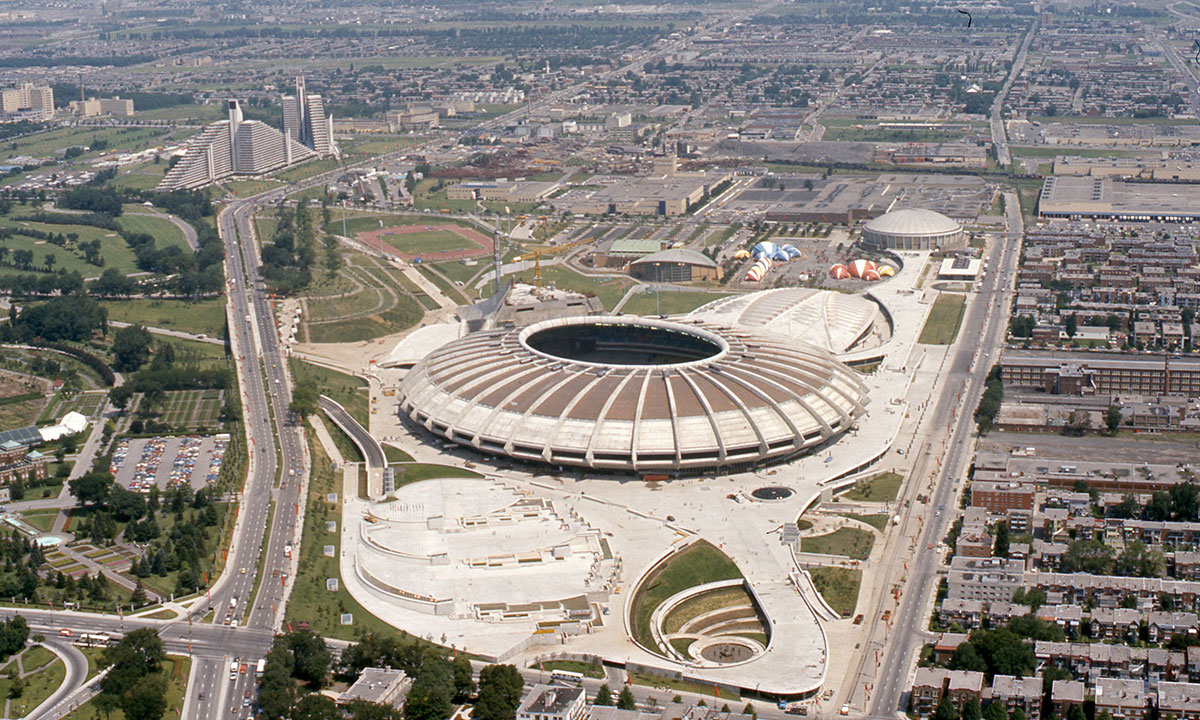
Step behind the scenes of the major construction sites of the Olympic venues—the final sprint before welcoming the Montréal 1976 Games.
The Olympic Stadium
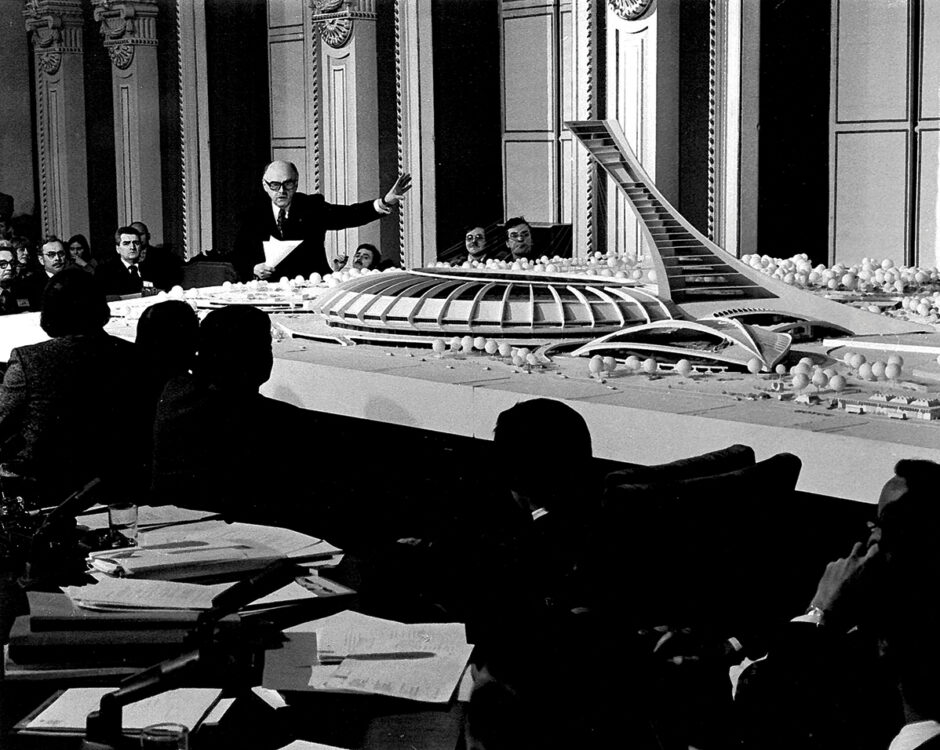
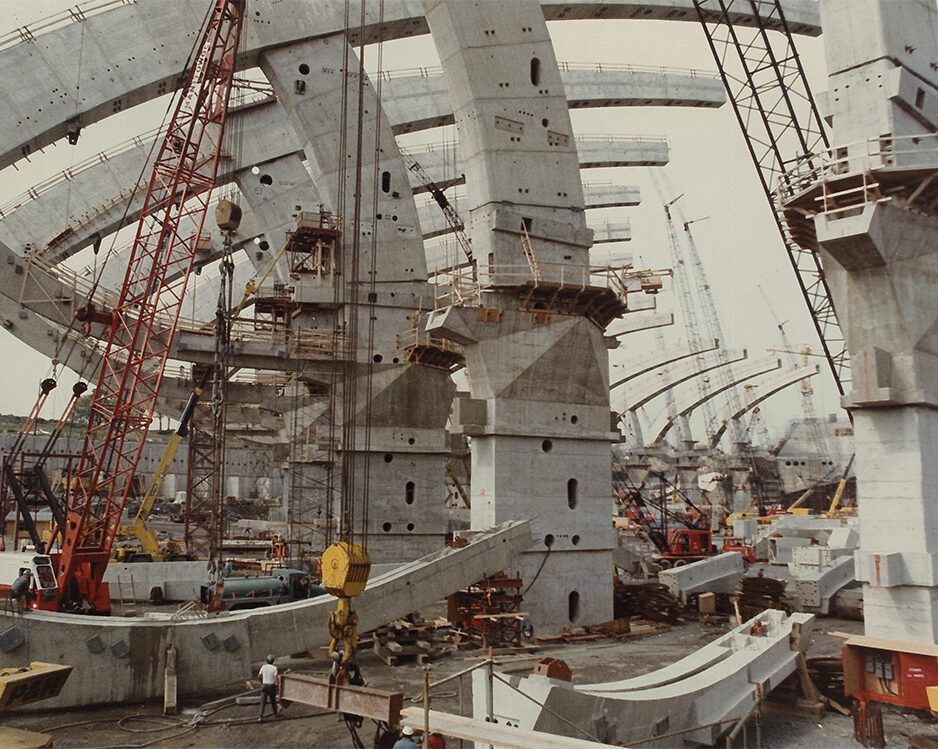
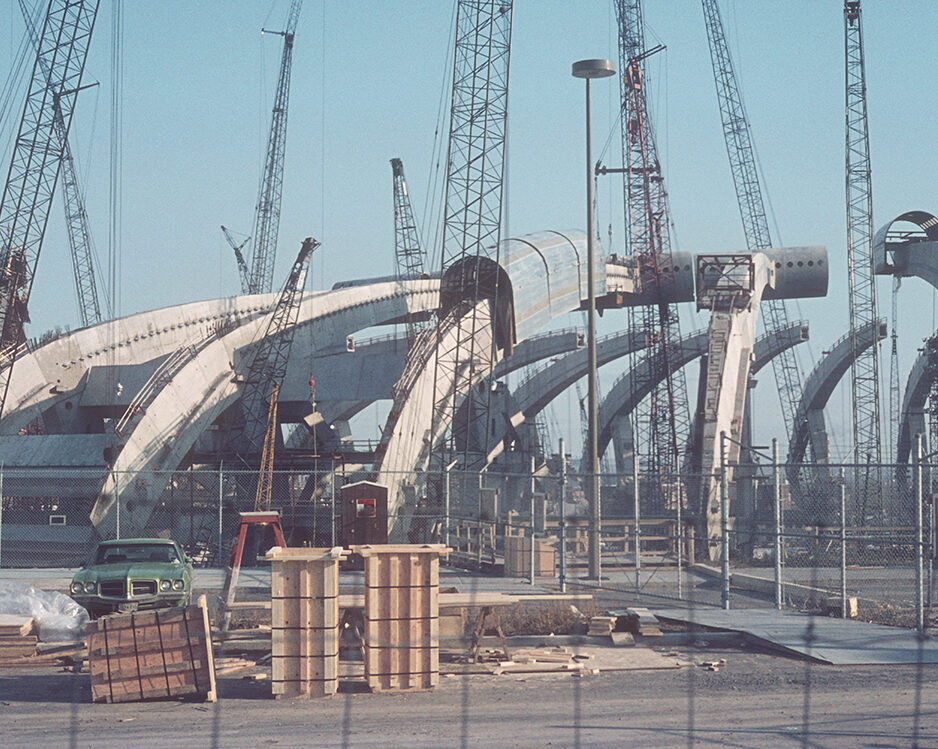
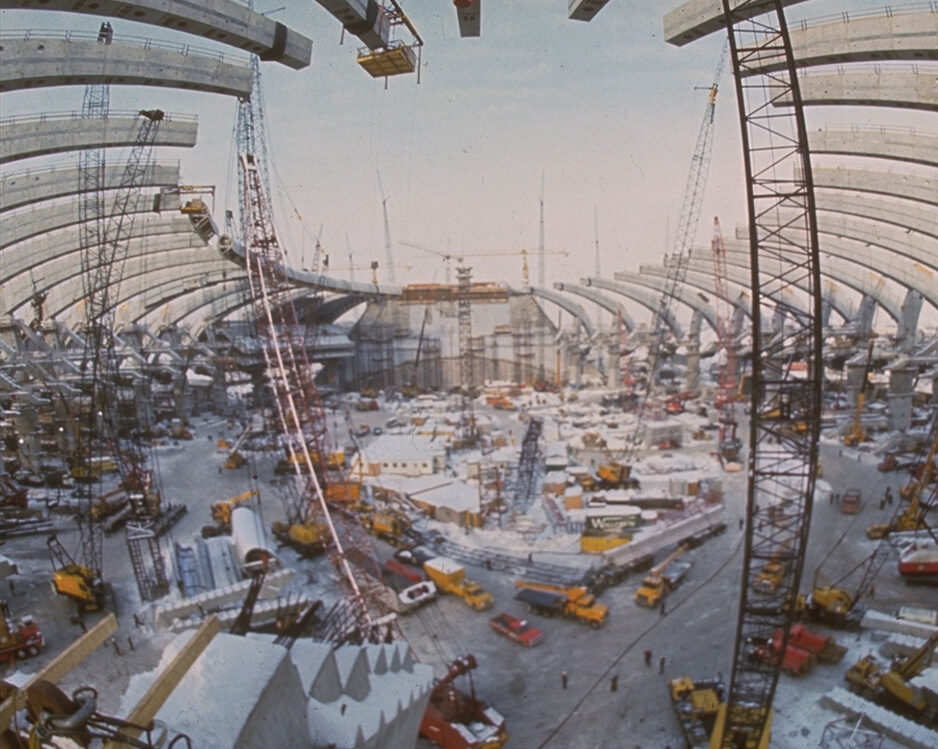
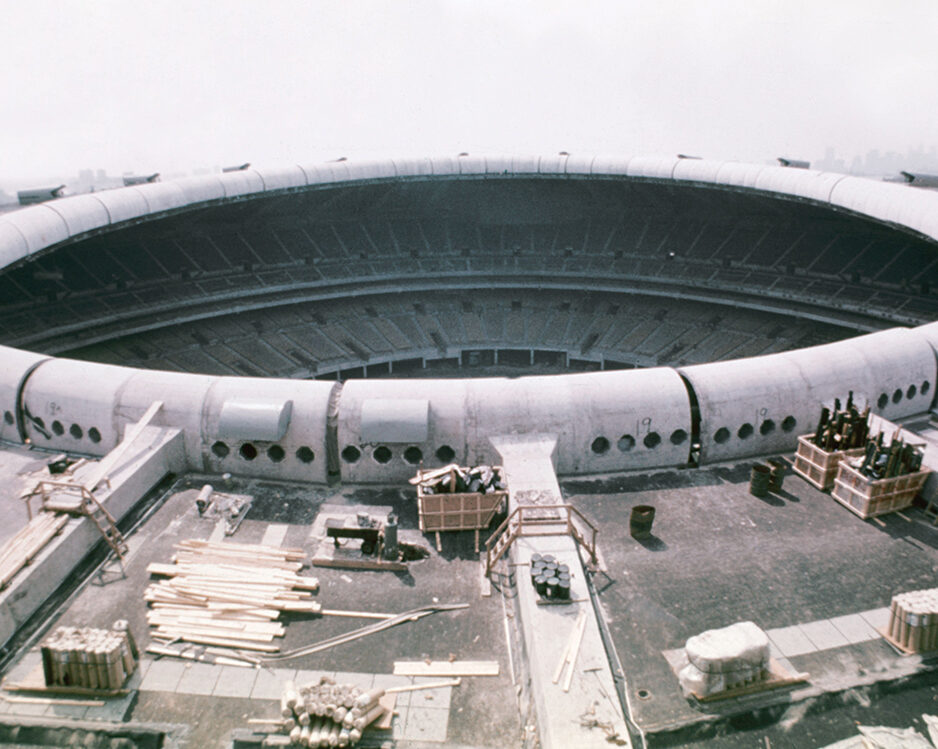
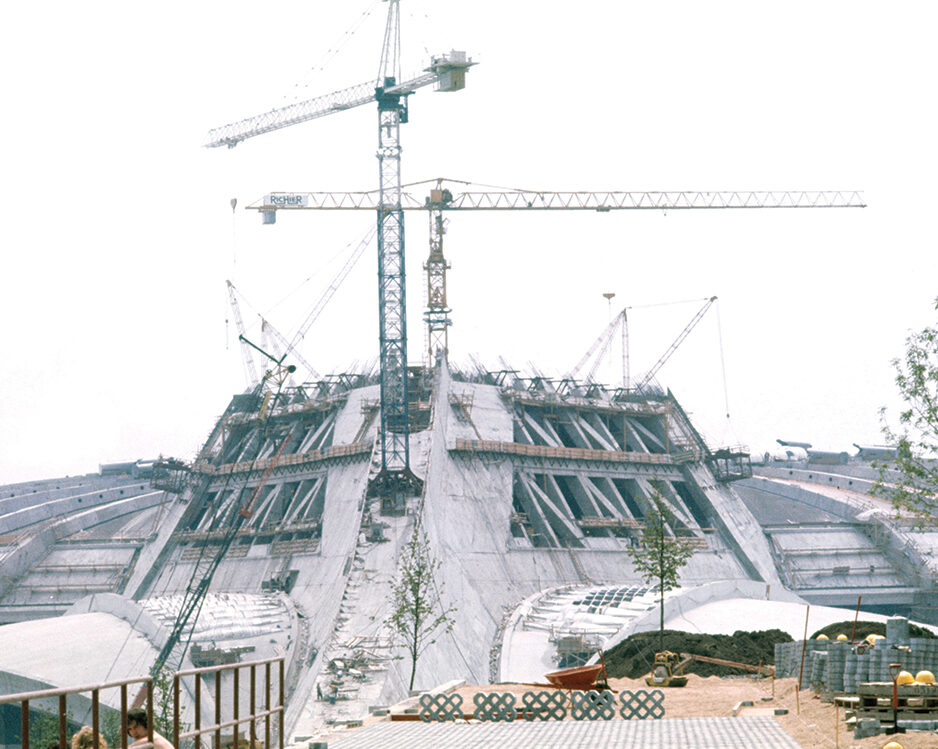
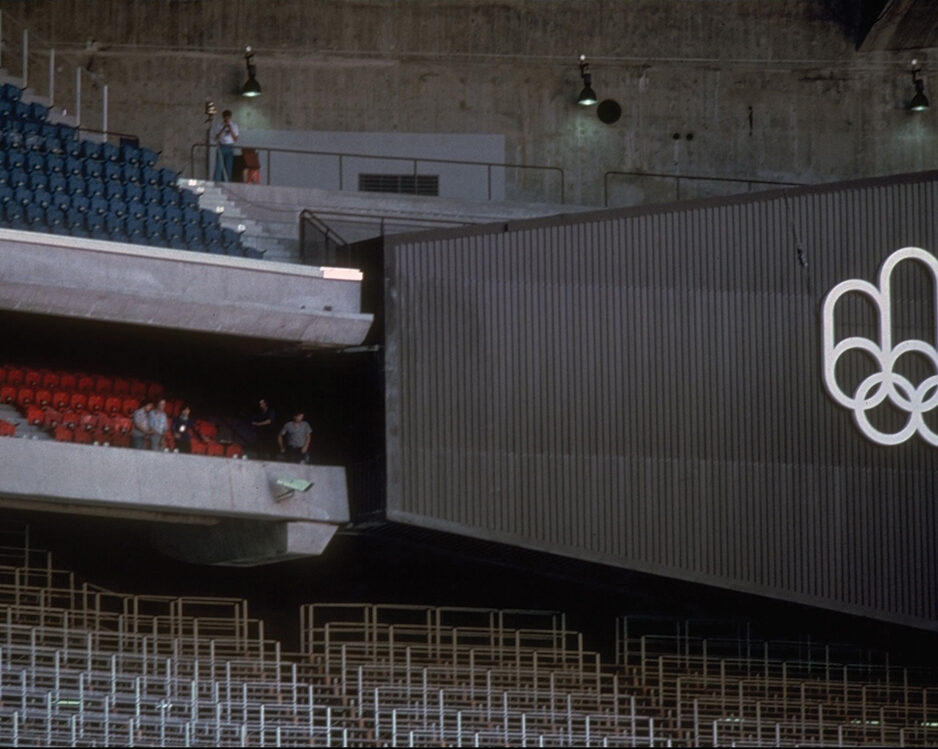
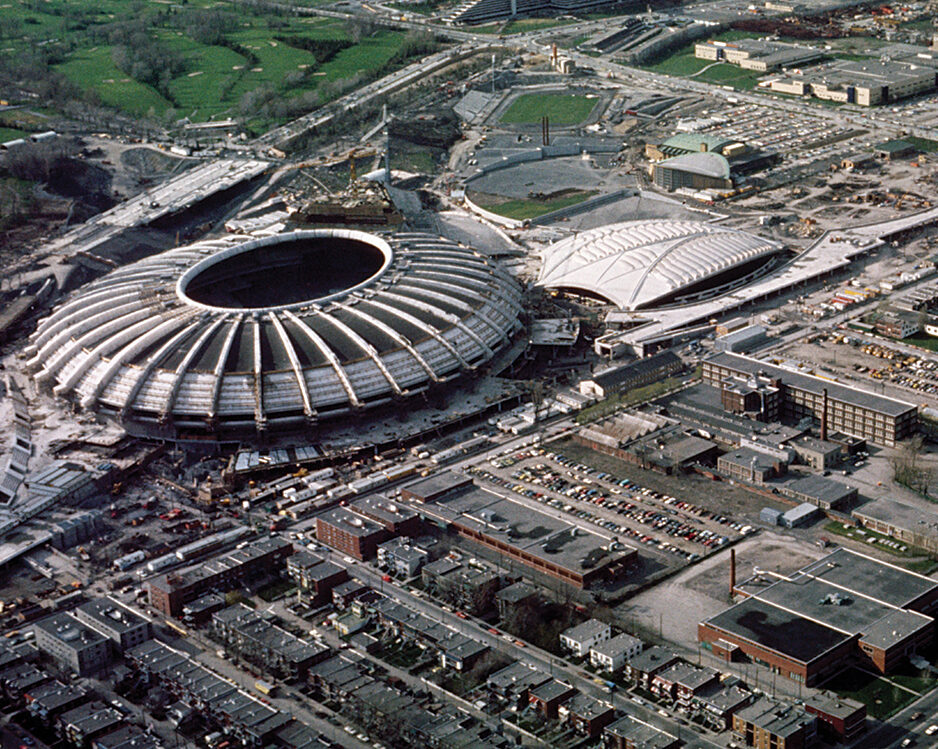
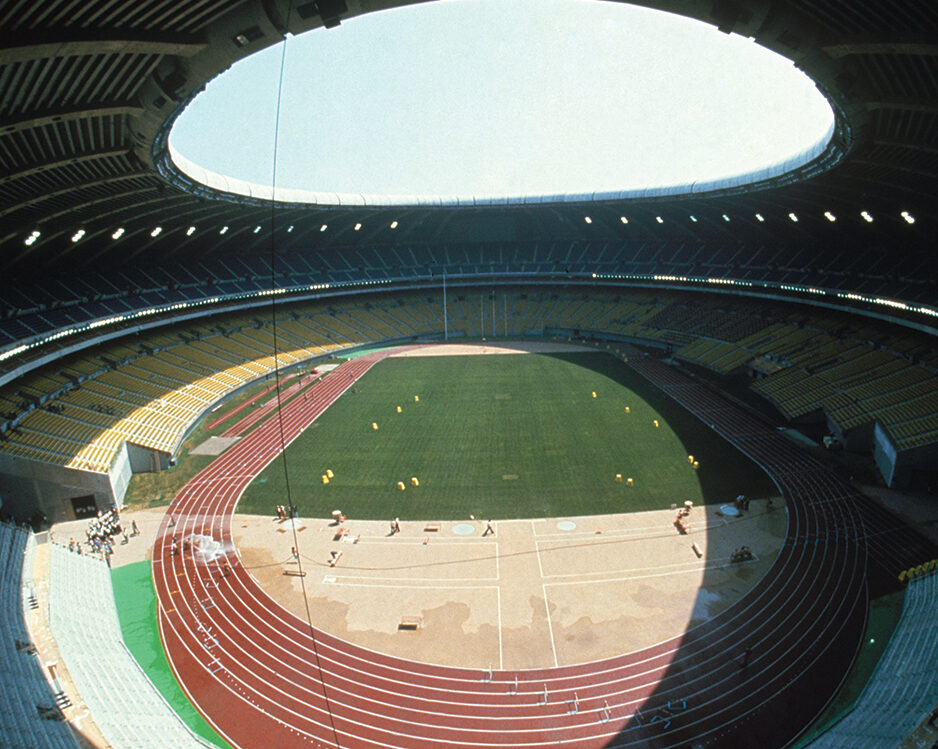
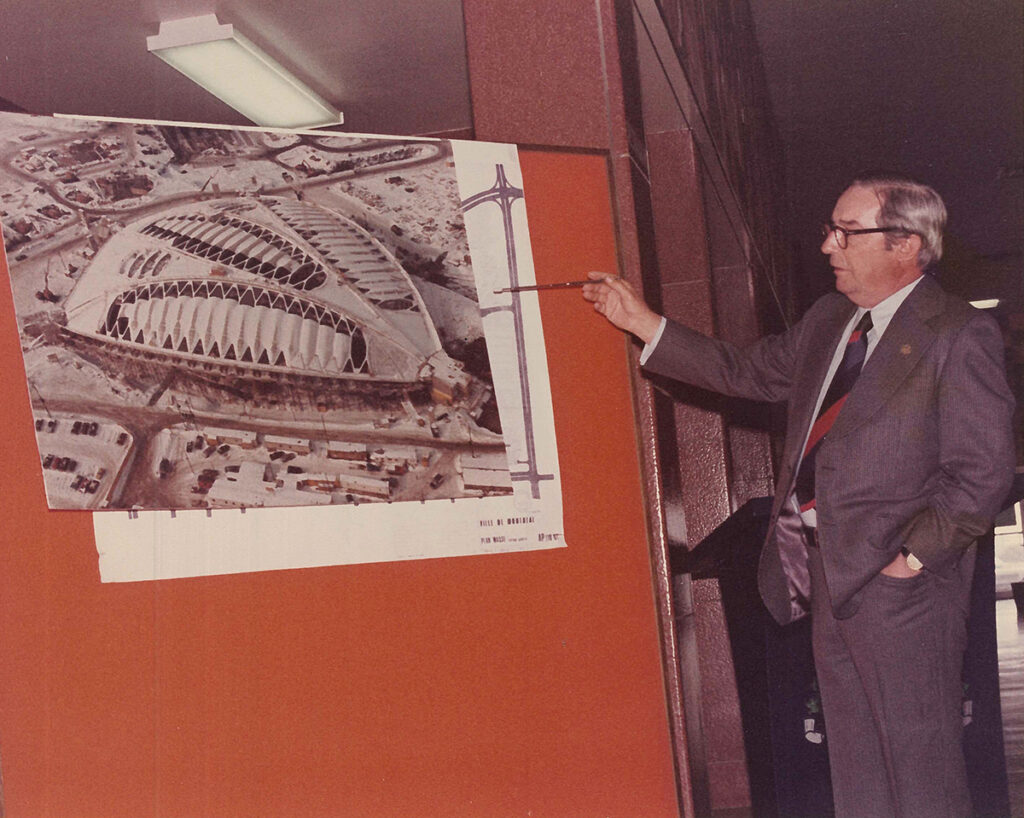
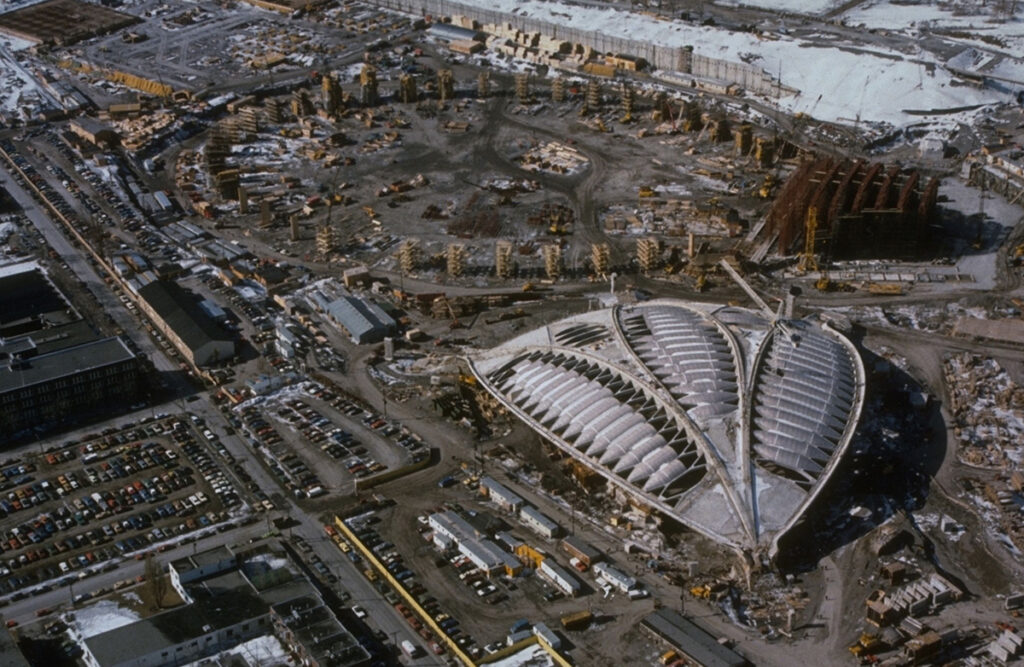
Designed by French architect Roger Taillibert, the Stadium features bold, curved, and futuristic forms. Its unique architecture made construction particularly complex, mobilizing more than 10,000 workers day and night.
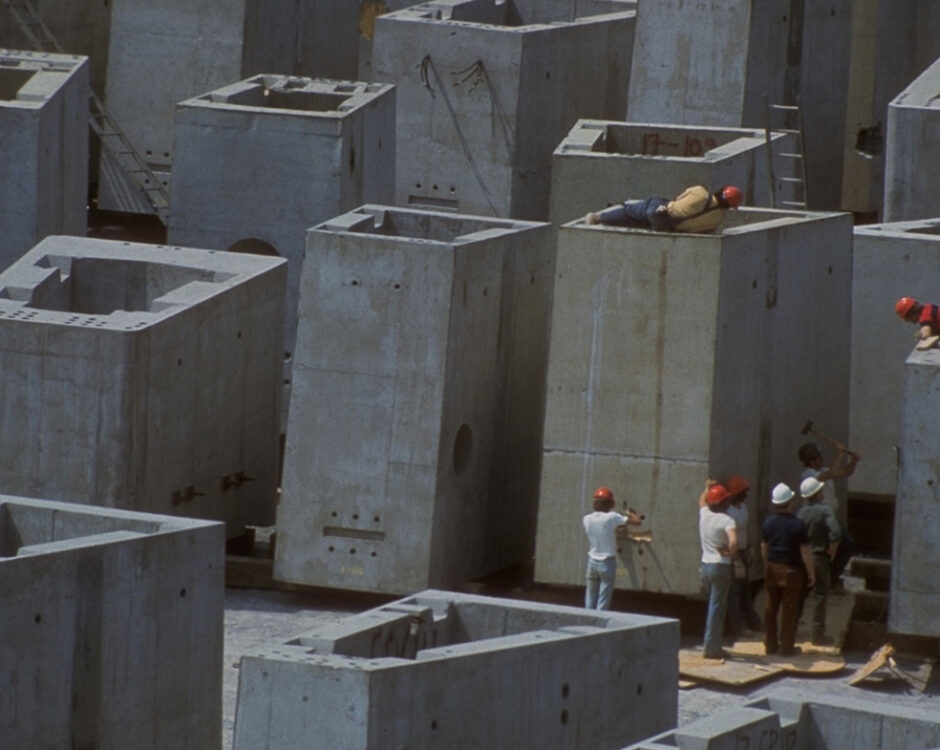
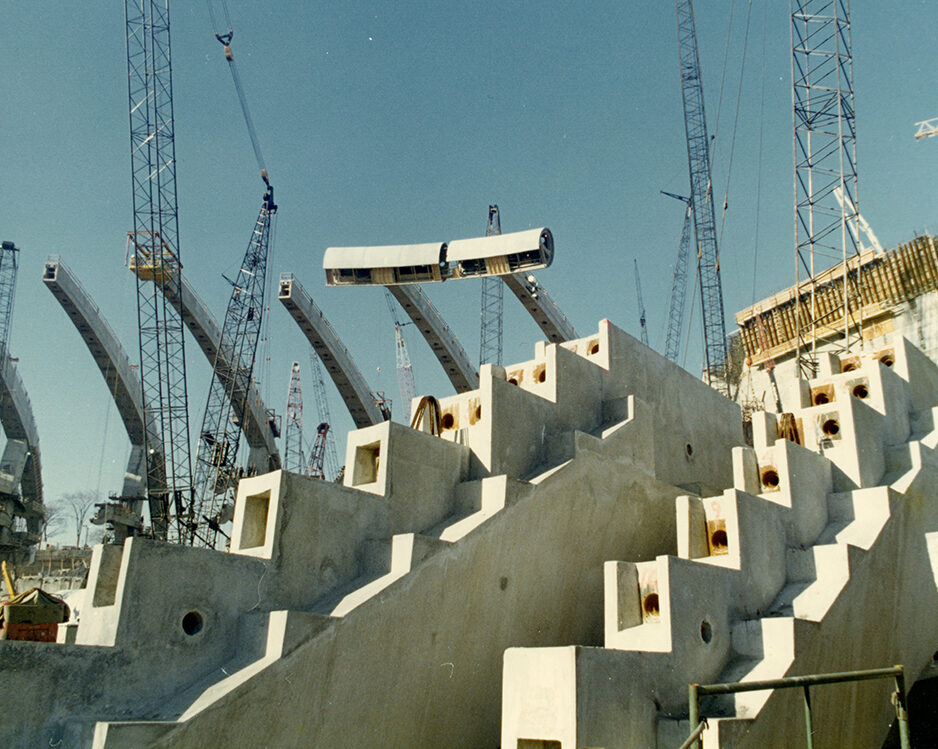
The Stadium includes 12,000 concrete components that were shaped, adjusted, and assembled with remarkable precision. It is structured around 34 cantilevers and four half-cantilevers embedded in the Tower, forming its primary skeleton.
Here are some key moments from its construction:
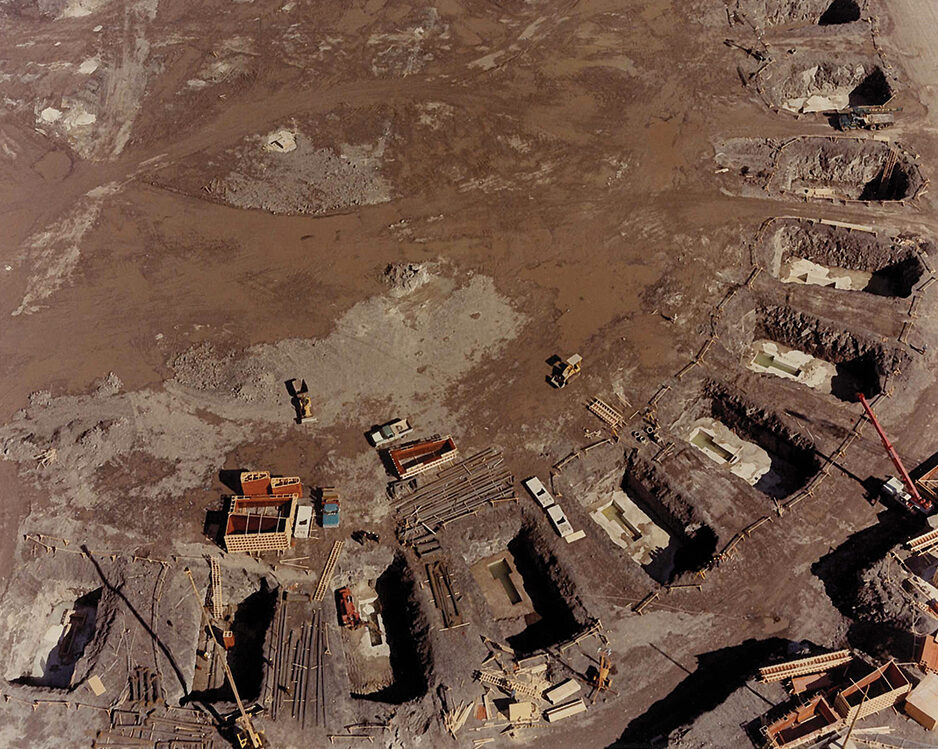
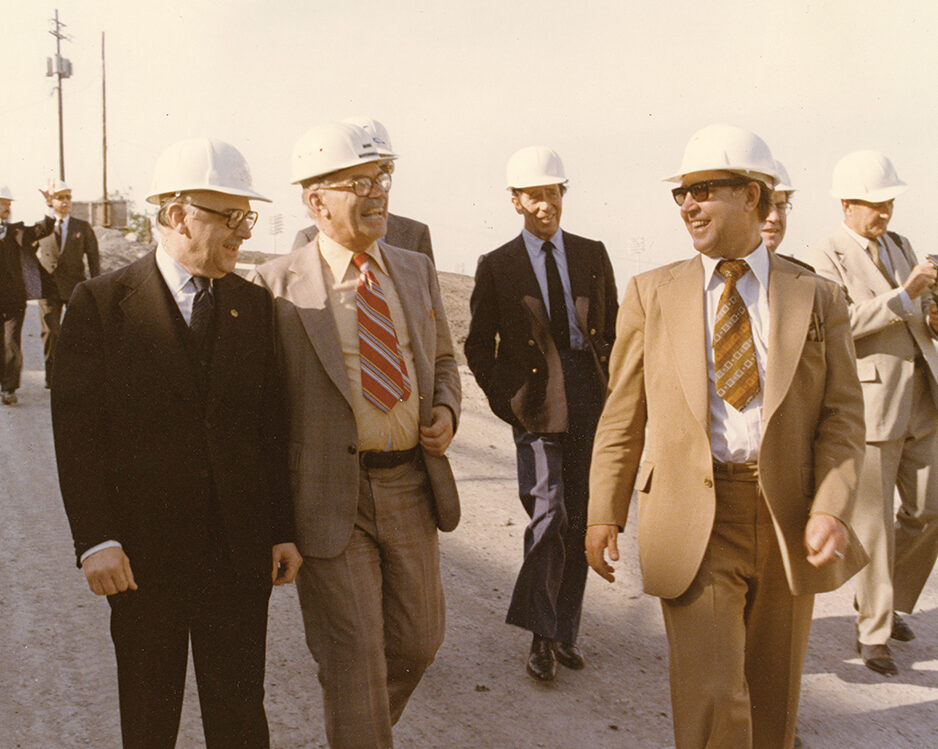
April 28, 1973 – Excavation work begins when nearly 2,120,000 m3 of clay and limestone are removed.
© Jean Drapeau, City of Montréal Archives
Olympic swimming pools
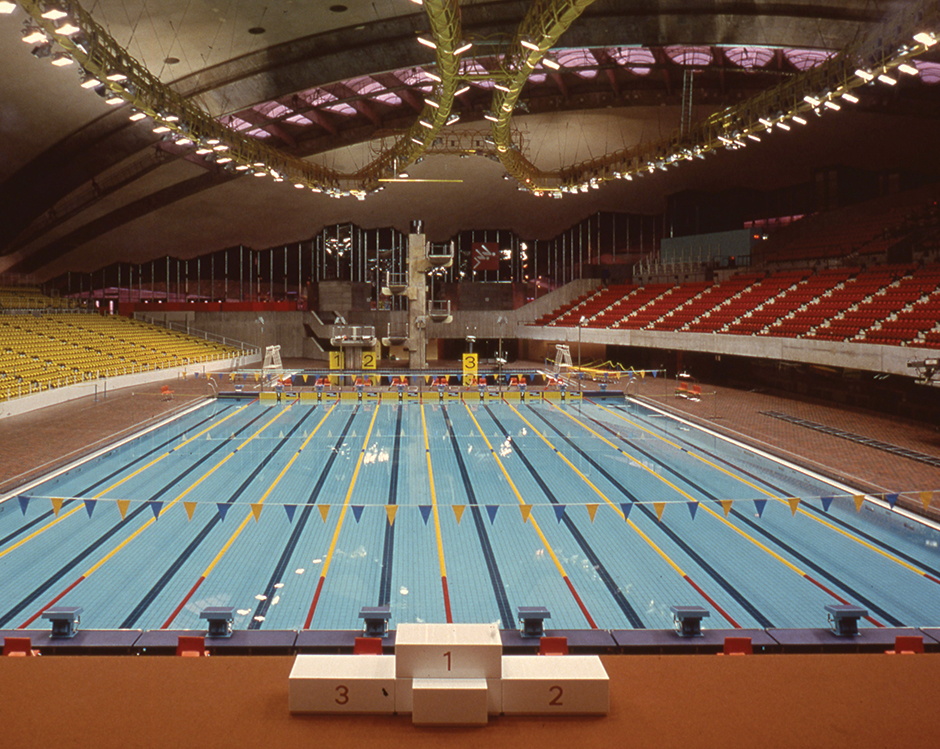
Excavation work began on April 28, 1973, and the concrete work for the Sports Center was completed on April 15, 1976. This venue hosted all aquatic events: 26 swimming events in the competition pool, four diving events, and 47 water polo matches. A 50-meter, five-lane training pool located under the stands allowed athletes to prepare for competition. Today, the Sports Center remains one of the most popular venues in the Olympic Park.
The Velodrome
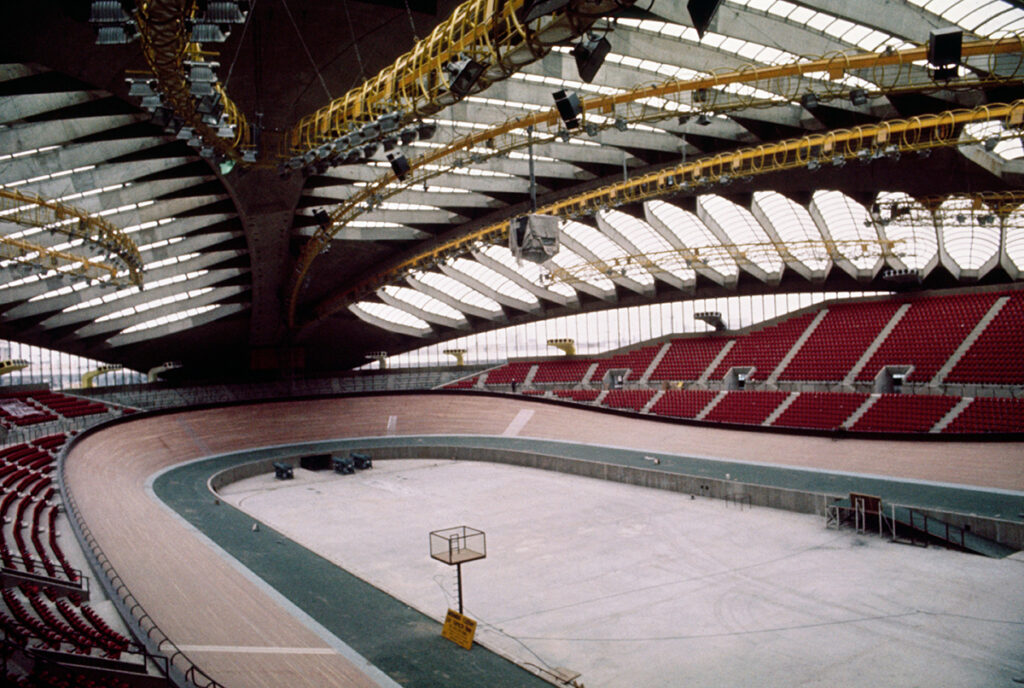
Construction of the Velodrome began in 1974 and was completed on January 1, 1976. This work by Roger Taillibert is a technical feat: The 172-meter prestressed concrete shell balanced on only four support points.
Designed as a multipurpose sports arena, the Velodrome hosted track cycling events and judo competitions during the Games, as well as wrestling, basketball, tennis, gymnastics, figure skating, and even ice hockey competitions after the Games. Its versatility allowed it to host numerous events, such as bingo games and conferences.
Since 1992, the Velodrome has been given a new lease on life. It has been transformed and now houses the Montréal Biodôme, an iconic venue dedicated to nature and biodiversity.
The Olympic Village
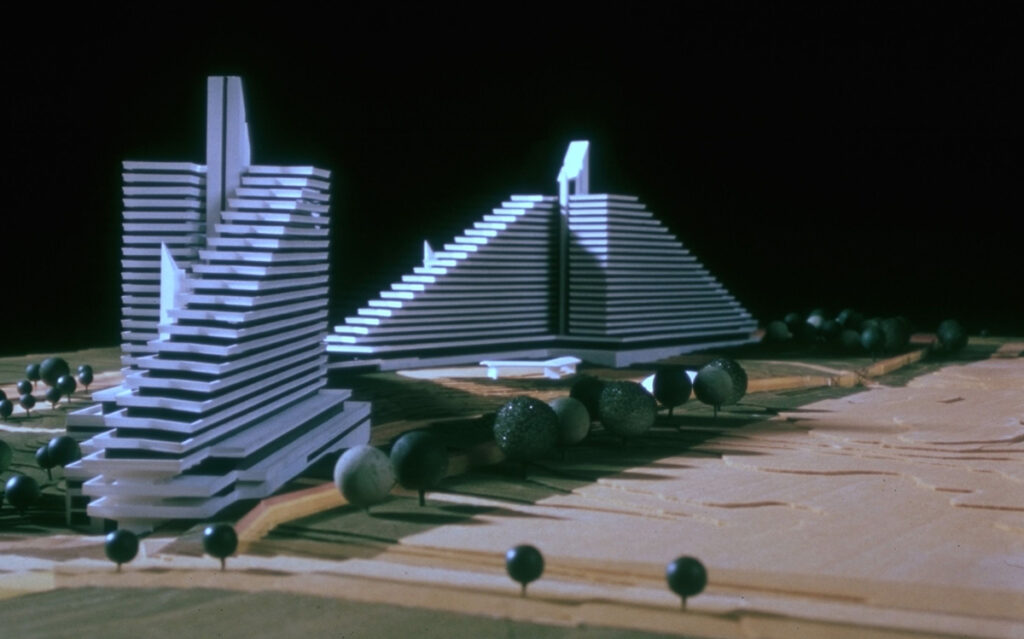
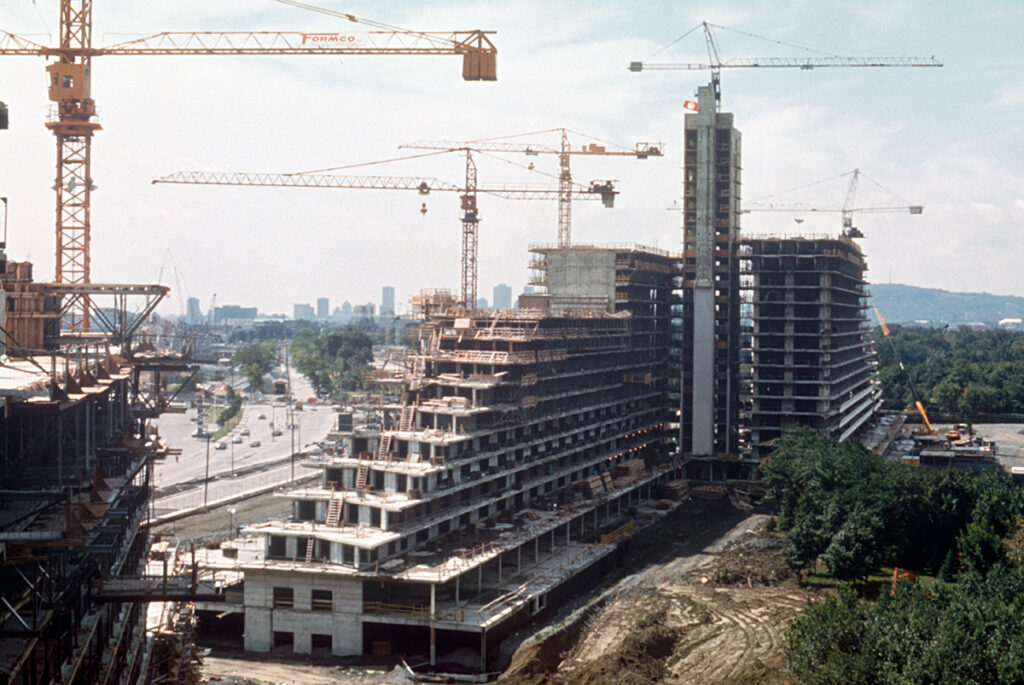
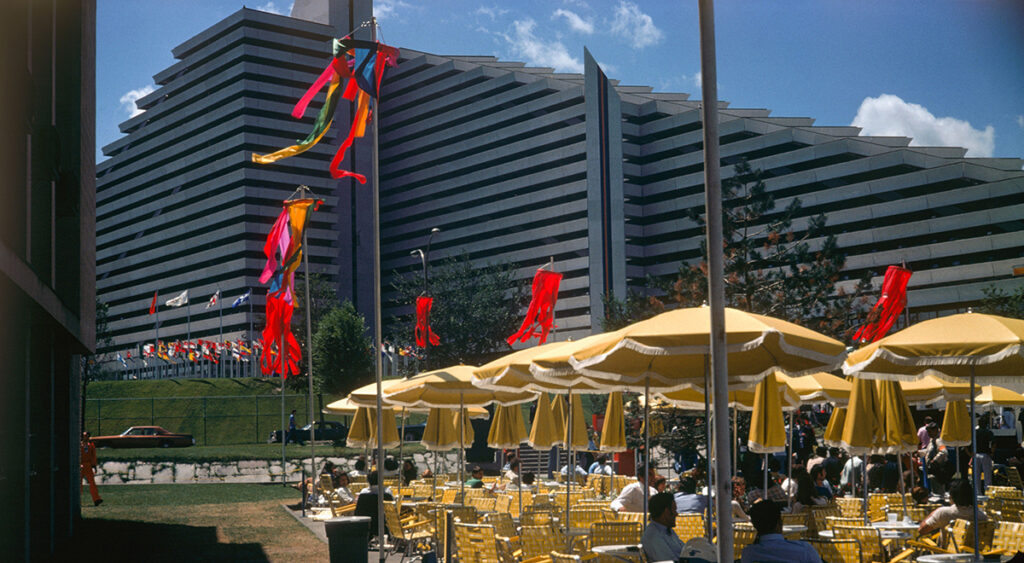
The Olympic Village consisted of two pyramid-shaped buildings, each with 19 floors. It contained 980 apartments surrounded by terraces, designed to accommodate all delegations except for equestrian and yachting athletes. The Village offered a variety of services, including shops, hair salons, and a bank. There were also several entertainment venues, including a cinema, music room, nightclub, and swimming pool.
Construction began in December 1974. On April 5, 1976, RIO was commissioned to complete the project. The Olympic Village was completed on May 15, 1976, and was ready to welcome 6,084 athletes from around the world on July 17.
The Olympic Basin
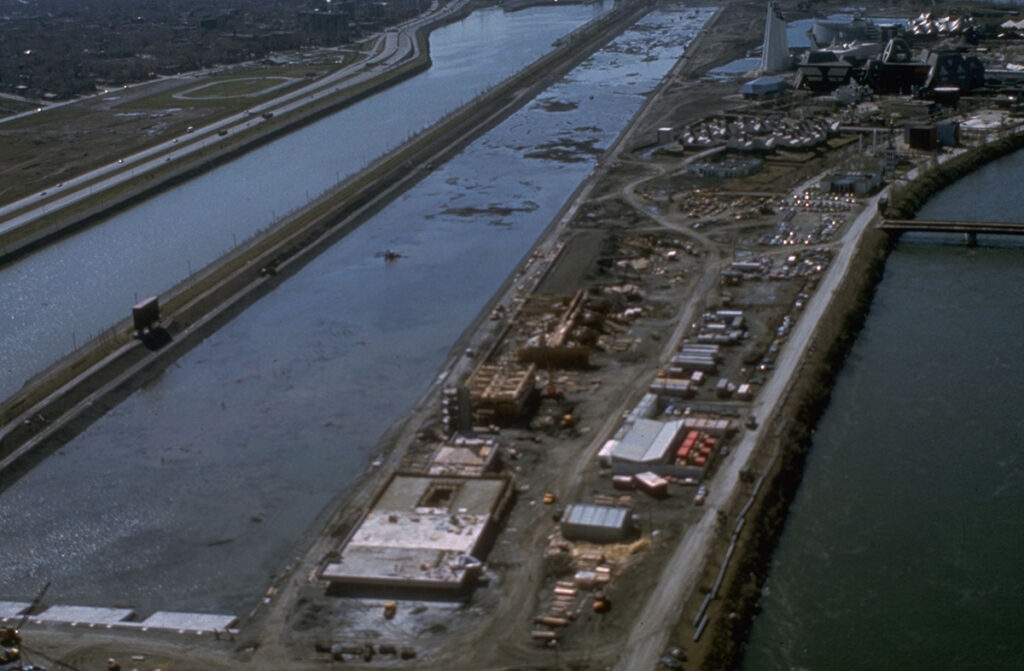
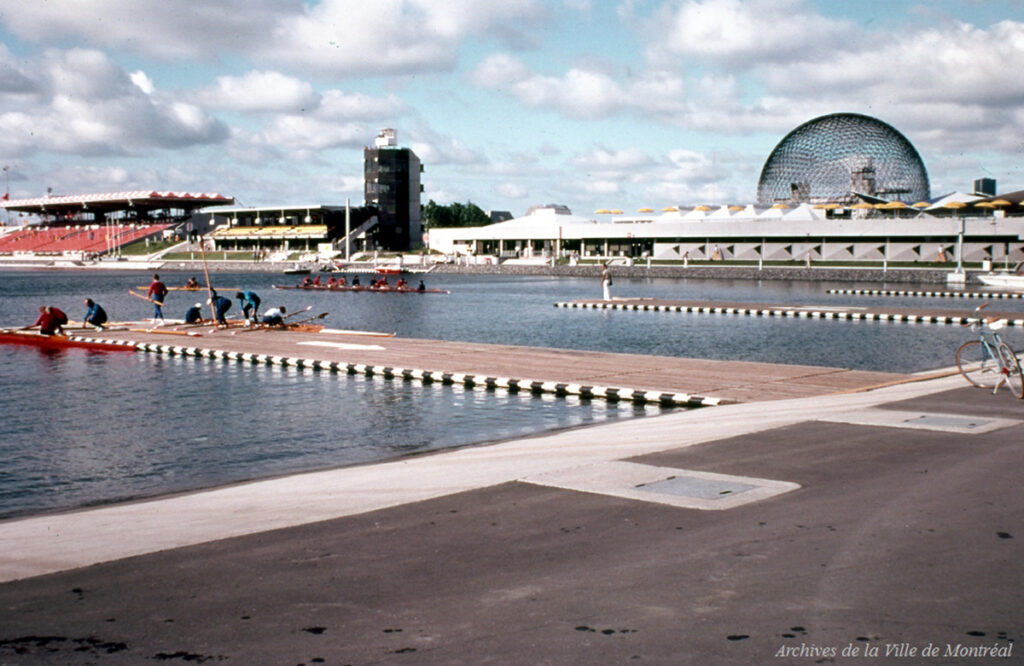
The development of the Olympic Basin, located on Île Notre-Dame in Parc Jean-Drapeau, was one of the major challenges of the Games. Construction work required extensive filling and state-of-the-art technical installations, including start and finish towers, marked lanes, and temporary bleachers for thousands of spectators.
Designed to host rowing and canoeing events, the basin met the highest international standards from the moment it opened.
Measuring 2.2 km long, 110 m wide, and 2.5 m deep, it remains the largest artificial rowing basin in North America today. During the Games, permanent stands could accommodate 3,000 people and, thanks to temporary facilities, up to 30,000 spectators could watch the competitions.
Other venues
A total of 24 sports venues were used for the Montréal Olympic Games: seven new, fifteen existing, and two temporary. For more information, visit https://www.olympics.com/ioc/news/montreal-1976-venues-overview